The Checkbox Was Easy. The Phone Call Was Not.
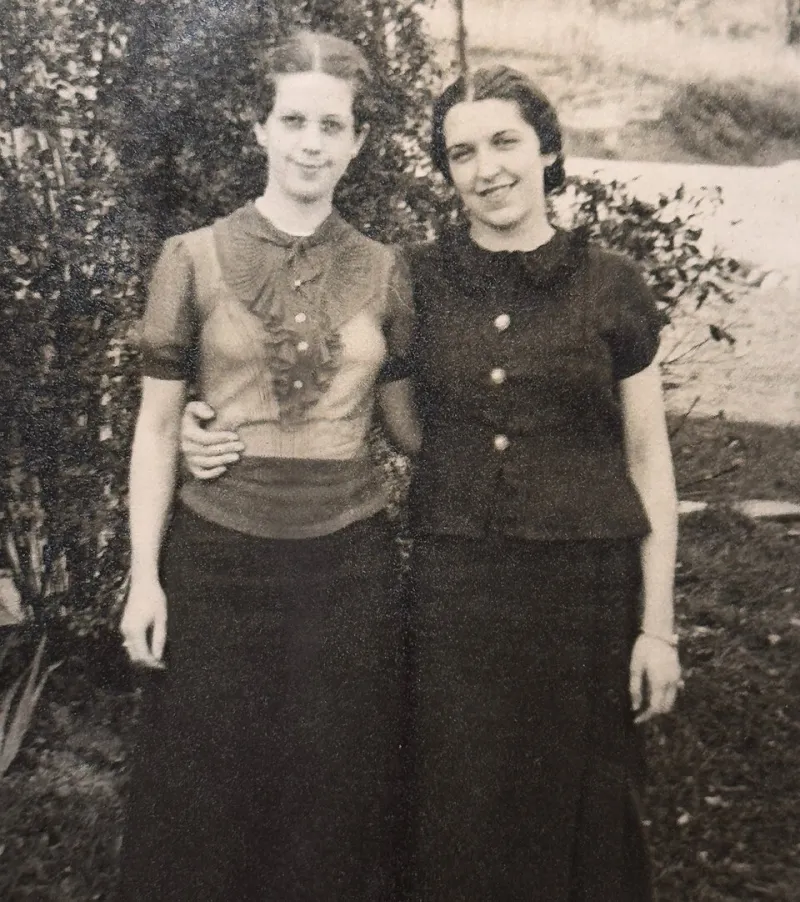
Photo: snelson951 , CC0, via Wikimedia Commons
I have been Karen's emergency contact since roughly the Obama administration. Not because we sat down and had a solemn conversation about it, but because at some point a clipboard appeared, she handed me a pen, and I wrote my name in the box next to 'In Case of Emergency.' It felt like a formality. A friendship souvenir. The adult equivalent of exchanging best-friend necklaces, except mine was stored in a filing cabinet at a dental office in New Jersey.
Then, on a Tuesday afternoon in November, my phone rang while I was between meetings. It was Karen. She was at urgent care with a sprained ankle, a dead phone charger, and no idea where her insurance card was. The front desk needed a name and a number. She gave them mine.
I want to be clear: I was not heroic. I was wearing mismatched socks and I said 'sure' in a voice that was at least 30 percent panic. But I showed up. And that's when I realized the checkbox had been the easy part.
The Call Came Between Meetings
Here's the thing about emergency contacts: nobody trains you for the moment the title becomes a verb. There's no orientation. No laminated card for your wallet. One minute you're a regular friend who knows her coffee order, and the next you're standing in a fluorescent-lit waiting room holding a purse that is somehow both empty and full of receipts, trying to remember whether she's allergic to penicillin.
(She is not. I checked. But the fact that I had to check was a wake-up call.)
The staff was kind. They asked me questions I could mostly answer: date of birth, primary care doctor, whether she'd eaten. I knew her birthday. I did not know her doctor's name. I knew she had a weird reaction to a medication once, but I couldn't remember which medication or what kind of reaction. I told them 'it's in her chart somewhere' and they looked at me like I had just said 'ask a wizard.'
The Part Nobody Puts on the Form
When people say 'emergency contact,' they're thinking of a phone number. But the real job is a scavenger hunt through your friend's life. Where is the insurance card? Where are the car keys? Who feeds the cat? Is there a spare charger in her bag, or is that just a fantasy people tell themselves?
Karen's card was in a zippered pouch she called her 'important papers pocket.' This turned out to be a pocket in a tote bag that also contained three lip balms, a granola bar wrapper, and a receipt from a Target run in 2023. The card was there. So was her passport, which felt like overkill until I remembered that she had once missed a flight because she couldn't find it.
I called her sister. Then I called her work. Then I called her neighbor about the cat, who was fine, by the way, but who had apparently been staring at the door with the quiet judgment of a small furry landlord. The 'who to call first' list is real, and I had been making it up as I went.
The Bag Was a Disaster (Mine, Not Hers)
While I was waiting, I did inventory of my own bag. I had a phone charger for my phone but not hers. I had tissues, which was lucky. I had exactly one granola bar, which I ate because I am not a saint. I did not have a pen, which felt ironic given how many forms were involved in this situation.
The experience taught me something unglamorous: being someone's emergency contact is mostly logistics. It's not dramatic. It's not a movie scene. It's knowing where the card is and being able to stay calm while a stranger in scrubs asks you questions you should probably know the answers to.
The Not-Weird Emergency Contact Checkup
After the dust settled—and by dust I mean Karen's ankle wrapped in a bandage the color of a kitchen sponge—we had a long-overdue conversation. We didn't make it weird. We made it a checklist, because that is the love language of two women who have been friends for a decade and have learned that vague promises are how chaos happens.
Here's the lighthearted field guide we came up with. Feel free to steal it.
- Know the insurance card's hiding spot. Not 'somewhere in the apartment.' An actual location. Ours is now a bright red folder labeled 'Emergency Stuff,' which is not subtle, but subtle is not the goal.
- Write down the medication and allergy list. We keep it in a shared note on our phones. It's boring. It's also the most useful note I've ever written.
- Name a backup contact. I am not always reachable. Neither is she. Having a second name gives everyone a break.
- Make a who-to-call-first list. For Karen, it's her sister, her boss, and the neighbor with the cat key. In that order. No guesswork.
- Swap keys or key codes. Being able to get into her apartment to grab a charger or feed the cat is not an overstep. It's the whole point.
- Keep a charger that fits her phone. I now carry a spare cable like a person who has learned a lesson. The lesson was mildly embarrassing. I'm fine.
- Agree on the comfort item. Karen wants her favorite sweater and a Diet Coke. I want a book and a phone charger. This is a real conversation to have.
- Confirm the pets. The cat's name is Mr. Biscuits, and he has a schedule. Please respect the schedule.
What I'd Do Differently (and What I'm Doing Now)
I would not change the part where I showed up. That felt like the right call. I would change the part where I fumbled through my phone like a detective in a procedural drama.
The truth is, being someone's emergency contact is a small, quiet promise that you will be the person who picks up. Not perfectly. Not heroically. Just actually. The form is easy. The phone call is not. But the phone call is where the friendship gets real—and, honestly, where it gets a little funny, too.
After all, if you can't laugh about the time you accidentally brought the wrong charger to urgent care, what are you even doing?