Plus-One, Not Significant Other: Our Unwritten Rules for Working a Wedding Together
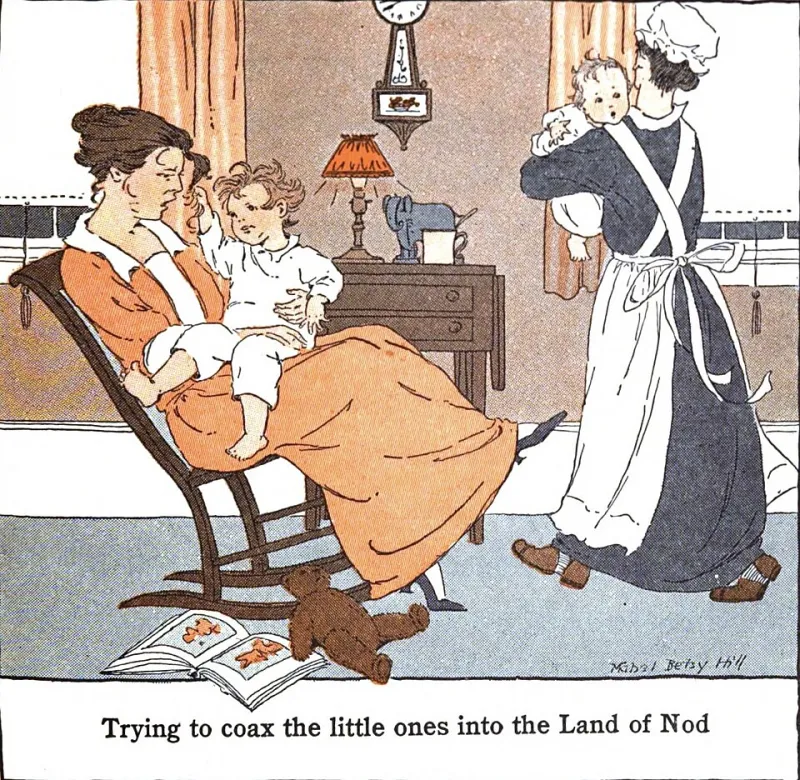
Photo: Mabel Betsy Hill, Public domain, via Wikimedia Commons
Somewhere between the second wedding of 2019 and the cousin's graduation party last summer, Karen and I developed a full operating system for attending couple-centric events together. We didn't mean to. Nobody hands you a manual for showing up to your nephew's black-tie wedding with your best friend of thirty years as your date. You just show up, someone squints at you and says "and how do you two know each other?" and you either have a plan or you have a very long evening.
We have a plan. We're sharing it.
The "How Do You Two Know Each Other?" Question Is a Trap
It sounds innocent. It is not innocent. What the asker usually means is: are you together-together, and how much of my night should I invest here? We've tried every answer. "We're old friends" gets a polite nod and a slow retreat. "She's my person" starts a conversation we can't exit for forty minutes.
The winner, after years of field testing: "We've been best friends since we were nineteen and I have at least three embarrassing stories about her." It's specific, it's warm, it signals you're fun, and it hands the asker a follow-up question so you don't have to carry the small talk alone. Wedding small talk is a team sport. Play it like one.
Seating Charts Are a Contact Sport
Here is a truth nobody says out loud: the singles' table is not punishment if you arrive with backup. We have sat at the "friends of the bride, miscellaneous" table next to a groom's college roommate and a teenage cousin, and because we had each other, it was the best table at the reception. The table with six strangers becomes a dinner party when two of those strangers already have inside jokes.
Our rule: never split up at seating unless one of us is actively making a friend. If Karen is deep in conversation with someone's fun aunt, I'll hold the fort. If we're both stranded, we reconvene at the bar. The bar is home base. The bar is always home base.
Divide the Labor Like It's a Job (Because It Is)
Every event has jobs, and duo attendees can cover twice the ground. Over the years we've fallen into roles so naturally that we no longer discuss them:
- Karen handles the dance floor. She gets things started. She pulls reluctant cousins up. She is the reason the DJ played "Shout" twice.
- I handle the conversations. I talk to grandparents, I ask the mother of the groom about the flowers, I learn that the caterer is someone's nephew.
- We both handle the buffet reconnaissance. This is non-negotiable and happens before the ceremony. Someone has to know whether the dessert table is worth staying for.
The point isn't the division. The point is that neither of us is ever standing alone near the gift table wondering when it's socially acceptable to leave.
The Last Dance Belongs to Us
Couples get the last dance. That's the cultural arrangement. But here's what we've noticed: at every wedding we've attended together, the end of the night is when couples are tired, babysitters are expensive, and the dance floor thins out to the people who actually came to have fun. That's when the platonic plus-ones shine.
We split the last dance. Literally — one song, she takes the first half, I take the second, and we trade with a dramatic mid-chorus handoff that has confused at least four photographers. It started as a joke at a wedding in Cleveland and now it's a covenant. You do not get our last dance. You get half of it, and it's the better half.
Why We Keep Doing This
People ask why we don't just bring dates. Sometimes we do. But there's something about walking into a room where everyone is paired off and knowing you're not alone — not romantically, not performatively, just factually — that no date can replicate. Your best friend knows your tells, your exit strategies, which relative to avoid. A date knows nothing. A best friend knows everything and loves you anyway.
Platonic plus-ones deserve more credit than we get. We're the ones keeping the singles' table alive, the ones who actually RSVP on time, the ones who remember to tip the DJ. We are a public service.
So the next invitation asks if you'll bring a guest, consider the friend. Consider the person who has seen you at your worst and will still split a piece of wedding cake with you at 11 p.m. That's not a consolation date. That's the whole point.