Signed, Sealed, Sentimental: The Night We Wrote Our Friendship Will
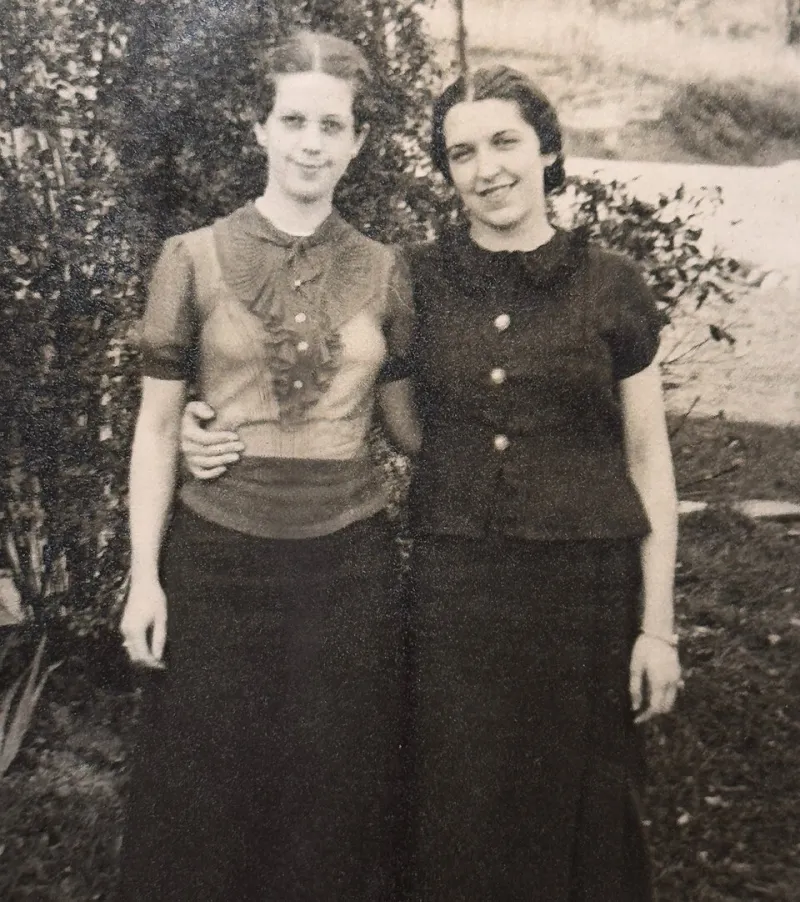
Photo: snelson951 , CC0, via Wikimedia Commons
It started, as most of our important conversations do, with a throw blanket and a minor territorial dispute.
Ellen was curled up on Karen's couch under the gray blanket that has been in Karen's family since roughly the invention of cable. Karen made a joke about putting it in her will. Ellen said, 'Great, leave me the blanket.' Then we both paused. Because neither of us actually knew what would happen to the blanket, or the emergency contact list, or the running joke about the terrible waiter from that one brunch, or the photo album from our first road trip. We had a friendship that owned things. We just had never made a list.
So we made one. On a yellow legal pad, over two coffees and one emergency pastry. We called it our friendship will. It is not legally binding. It is not notarized. It will not hold up in any court, probate or otherwise. But it is the most honest document we have ever written together, and it forced us to ask each other questions we had been avoiding for years.
What a Friendship Will Actually Covers (Spoiler: Not Your 401(k))
Let's be clear: this is not estate planning. We are not lawyers. If you need actual legal documents, wills, trusts, powers of attorney, talk to an attorney in your state. This is the other stuff. The stuff that doesn't fit on a tax form but still matters.
Our friendship will covers five categories:
- Emergency contacts and the question of who gets called first.
- Godmother duties, unofficial or otherwise.
- The running jokes, bits, and inside references that have become part of our shared language.
- Sentimental objects, including but not limited to the throw blanket.
- The awkward questions we had never asked, like who would tell the other's family if something happened.
We wrote it in about an hour. We argued for two.
The Throw Blanket Clause, In Full
Here is the actual language we drafted: 'In the event that Karen is no longer able to enjoy the gray throw blanket, it goes to Ellen, who has already logged more hours under it than Karen has. Ellen agrees not to wash it with anything red. Ellen also agrees to think of Karen every time she uses it, but not in a creepy way.'
Is it enforceable? No. Is it important? Yes. Because the blanket isn't just a blanket. It's the thing Karen wrapped around Ellen the night Ellen got the call about her dad. It's the thing we fought over during a movie marathon in 2019. It's the thing that smells like Karen's apartment, which is to say like coffee and a candle that used to be expensive.
When we started naming objects, we realized the real value wasn't in the object. It was in the story. The friendship will gave us a reason to say the stories out loud.
Who Gets the Running Jokes?
This was the hardest section. You can't put a running joke in a safe deposit box. But you can write it down.
We listed our top ten bits, including:
- The phrase 'that's a Tuesday problem,' which means 'we will not be solving this today.'
- The ongoing saga of the worst waiter in America, who may or may not still work at a restaurant we refuse to name.
- The time we tried to assemble a bookshelf and ended up with a piece of furniture that leans.
We decided that if one of us moves or gets married or otherwise changes the daily rhythm of our friendship, the other gets custody of the jokes. Not exclusive custody. Just the right to keep using them without explanation. The right to say 'that's a Tuesday problem' to a stranger and know that somewhere, the other one is laughing.
The Godmother Question We'd Been Avoiding
Neither of us has kids. But we both have niblings, friends' kids, and a shared goddaughter named Maya who once asked us if we were 'a package deal.' We are.
In the friendship will, we wrote down who would step in for whom if the other couldn't show up. Not legally. Emotionally. Who makes the birthday cake? Who shows up to the school play? Who tells the kid the truth about the family drama when they're old enough?
It was uncomfortable. It was also a relief. We had been carrying around vague assumptions for years, and writing them down made them real. It also made us realize we should probably tell Maya's parents.
Emergency Contacts: The Part That Might Actually Matter
This is the section we recommend to everyone. Not the throw blanket. The contact list.
We each wrote down:
- The other's primary emergency contact (a sibling, a partner, a neighbor with a spare key).
- Any allergies or medical conditions the other should know about.
- The name of the other's doctor, if we knew it. (We did not.)
- A reminder to call the other's workplace if something happens.
It felt morbid. It also felt like the most practical thing we've ever done as friends. We are not next of kin. We are not spouses. But we are often the first call. That's a responsibility, and it deserves a piece of paper.
The Sentimental Stuff Is Where It Gets Tricky
We divided the sentimental stuff into three piles: keep, share, and let go. The keep pile was small. The share pile was mostly photos. The let go pile was surprisingly large.
The rule we made: if you can't remember the story behind it, it doesn't get a clause. That eliminated about half the stuff we thought we cared about. It also made us realize we should probably label the photos.
How to Start This Conversation Without Making It Weird
You don't need a legal pad. You need a coffee and a willingness to be slightly awkward. Here are some conversation starters that worked for us:
- 'If I had to call someone at 3 a.m., who would you want it to be?'
- 'What's the one thing in my apartment you'd actually want if something happened to me?'
- 'Who would tell your family if you couldn't?'
- 'What's a running joke we have that you'd want to keep going?'
- 'Is there anything you've been assuming I'd do that we've never actually talked about?'
Start with the funny ones. End with the hard ones. Take breaks.
What We Learned (Besides That We're Both Control Freaks)
We learned that friendship has logistics. We learned that asking awkward questions is better than assuming. We learned that Karen will absolutely fight for the blanket, and Ellen will absolutely let her have it, but only because Ellen knows she'll inherit it eventually.
We are not lawyers. We are not financial planners. We are two friends who wrote a pretend will on a legal pad and then put it in a drawer. But we are also two friends who now know exactly who to call, what to keep, and which jokes to carry forward.
And if the throw blanket ever goes missing, we have a document that proves exactly who it belongs to. Sort of.